Combined experience designing, building and running commercial metals plants.
Plants in Canada, the United States, Germany and Zambia.
CCR gold refinery commissioned. Still running, with nameplate capacity of over 1.6 million ounces of gold a year.
Nominal cobalt capacity at Chambishi, among the largest cobalt plants in the world.
Plants built, commissioned and run.
Each began as a problem the conventional process could not resolve: an impurity, a new feed, a waste stream with metals contained. Each resulted in a new flowsheet, properly engineered and taken to commercial production.
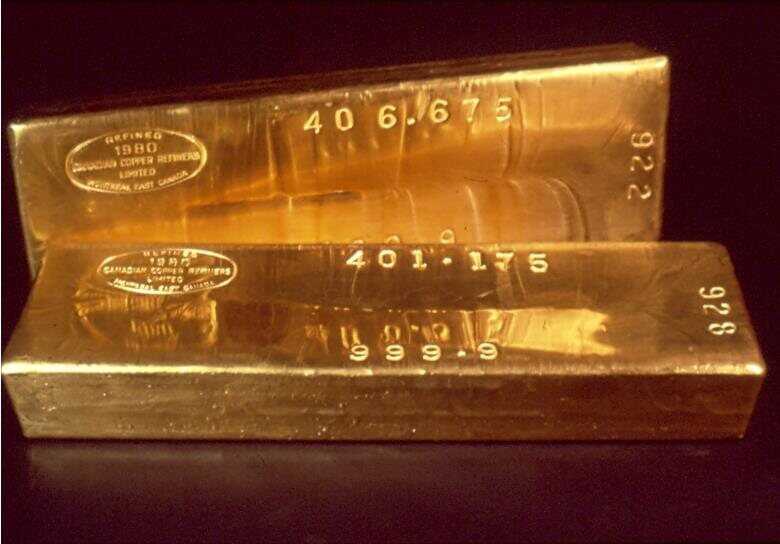
CCR Gold and Precious Metals Refinery
An all-hydrometallurgical refinery for gold at 99.99% or better, with silver and platinum-group metals recovered.
Operating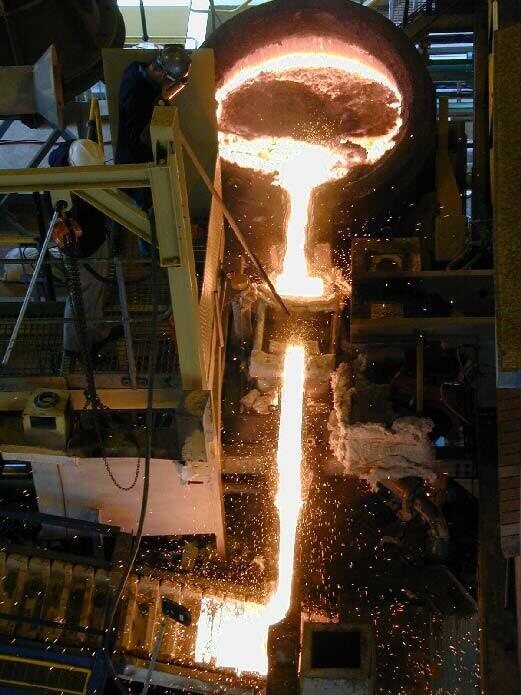
COSAC and ISEP Cobalt Plants
Cobalt recovered from old slag dumps, with continuous ion exchange to remove nickel.
Operating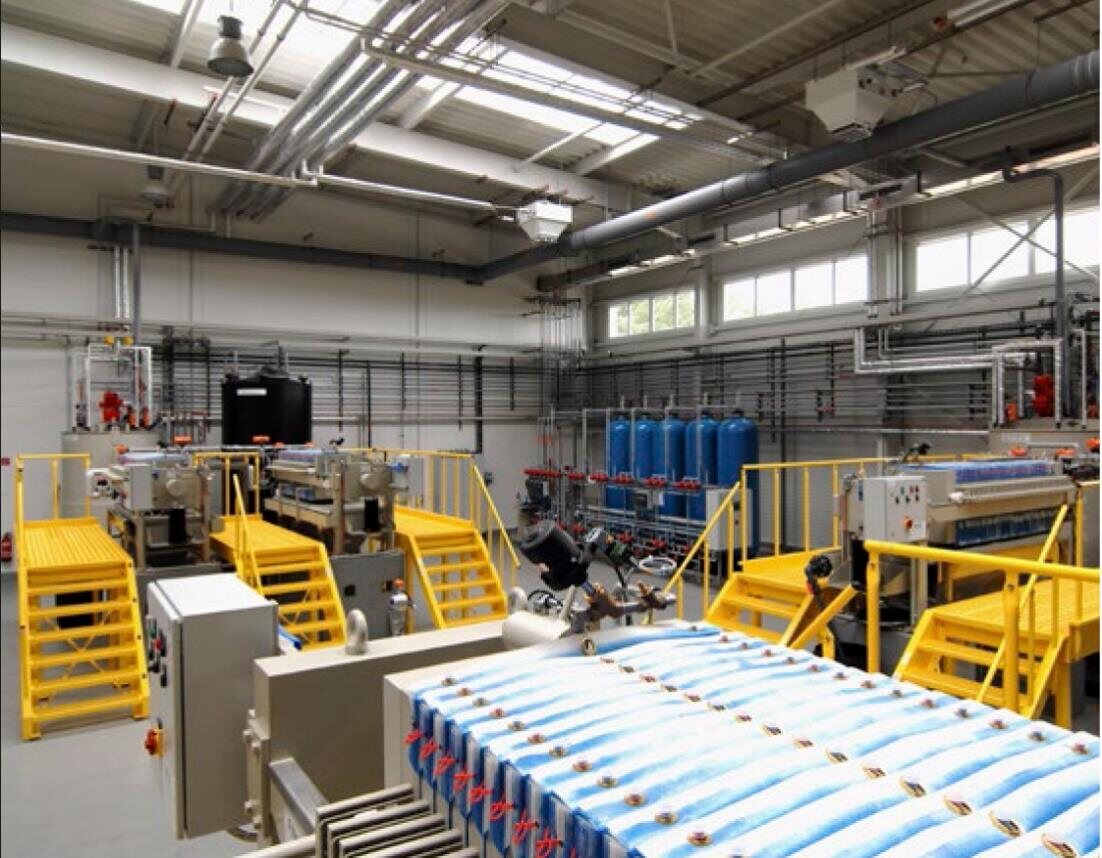
5N Plus Solar Panel Recycling Plant
Cadmium and tellurium recovered from end-of-life cadmium telluride panels.
Operating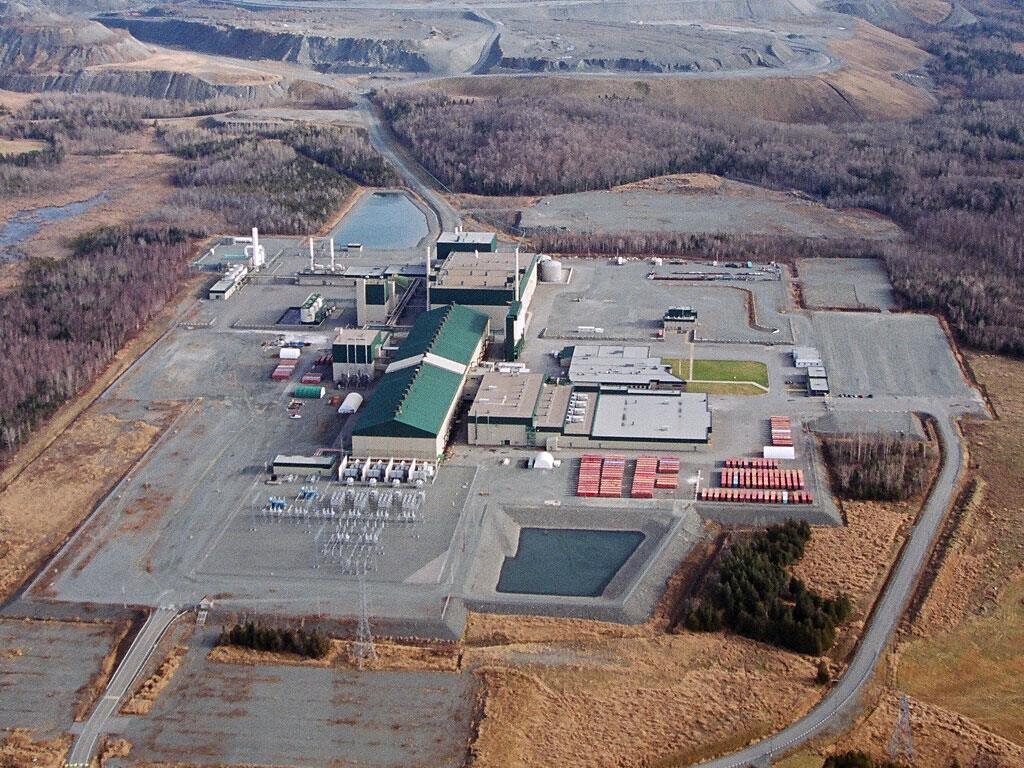
Magnola Magnesium Metal Plant
50,000 t/yr of magnesium metal from asbestos tailings.
China AcquisitionWhat building plants has taught us.
A flowsheet that works in the lab can still fail at the commercial level, unable to scale. These are the metrics that keep a new process on the right side of that ledger.
Right metallurgy fit
It starts with the mineralogy, the process and the mineral economics, then the optimisation. The process route not suitable for the feed is dropped early, however attractive at first glance.
Cost factored at onset
Every result goes into the mass and energy balance and the cost-benefit model. The process route that works in the lab but not on the balance sheet will not make it to the pilot, let alone the engineering.
Designed for operators
Our principals have commissioned multiple commercial plants, so the design will be the best fit for a team familiar with operations: automation, engineering, maintenance, instrumentation, control, incremental feed variance and more.
Confidential by default
Samples, data and results are never shared, published or left vulnerable. Several of the key processes behind our commercial plants are still protected by trade secret and know-how.
Acid regeneration, for feedstock others leave behind.
Many feeds are uneconomic because of reagent and energy costs, not because the chemistry fails. Our Acid Regen technology recycles HCl back to the leach at full strength, whilst removing iron as saleable hematite and extracting the valuable metals via refining circuits. Conventional pyrohydrolysis returns acid below 20% and cannot recover the full value of the metals.
These are the routes it opens:
- Titanium, vanadium and iron from VTM ores and mineral sands Ti · V · Fe
- Nickel and cobalt from laterites and ferronickel slag Ni · Co · Mg · Al
- Zinc from electric arc furnace dust Zn · Fe
- Metals and energy from pyrrhotite tailings Ni · Cu · Co · PGM · Fe
- Battery metals from spent lithium-ion cells Ni · Co · Li · Mn · Cu
- High-purity manganese sulphate and zinc Mn · Zn
- Copper and cobalt from Copperbelt tailings Cu · Co
Pilot plant · in operationLive loop
From initial sample to operations to refining.
A succinct design roadmap can take a project opportunity from first testwork to the feasibility stages required of a project at the engineering commitment. Each stage will comprise a decision gate and a comprehensive requisite dataset, sufficient for a go/no-go, phase-oriented decision by the owner’s team.
Testwork
Does the chemistry work on your material?
Scoping tests, leach and separation programs, and check assays through accredited partner labs.
Flowsheet
Which route, and does it pay?
Route selection, mass and energy balance, reagent and utility demand, set against the incumbent process.
Process model and pilot
Will it run continuously?
A pilot campaign and a dynamic model calibrated to it, so the operating strategy is proven before design.
Basic engineering
What will it cost to build?
Flow diagrams, equipment list and sizing, a 3D layout, and capital and operating cost estimates.
What a pilot has to prove.
A pilot must show that the circuit runs continuously on real feed, that it yields the numbers the design needs, and that it makes a product a buyer will accept. Its data then calibrates the process model.
Pilot plant · in operationLoop · 42 s
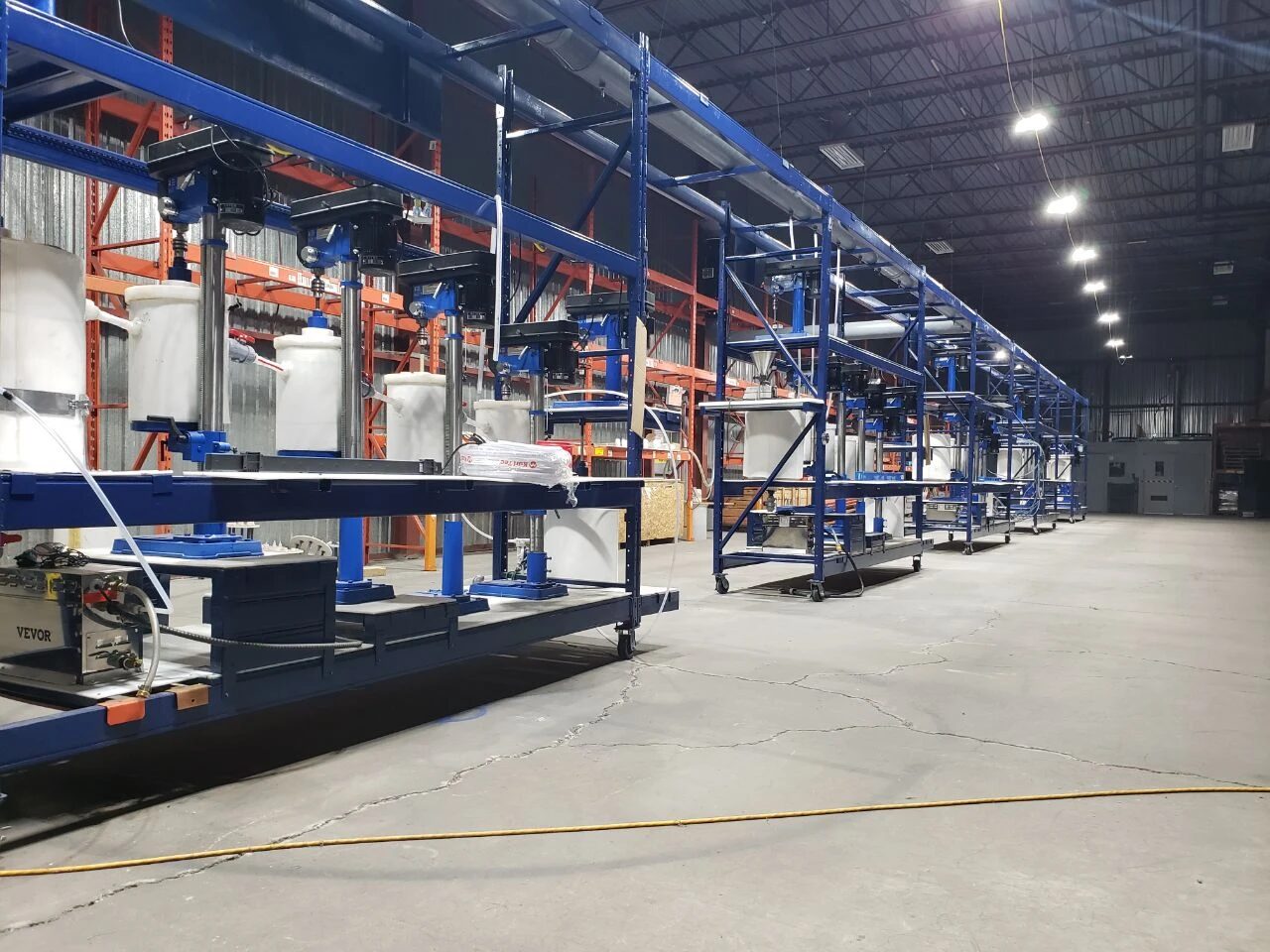
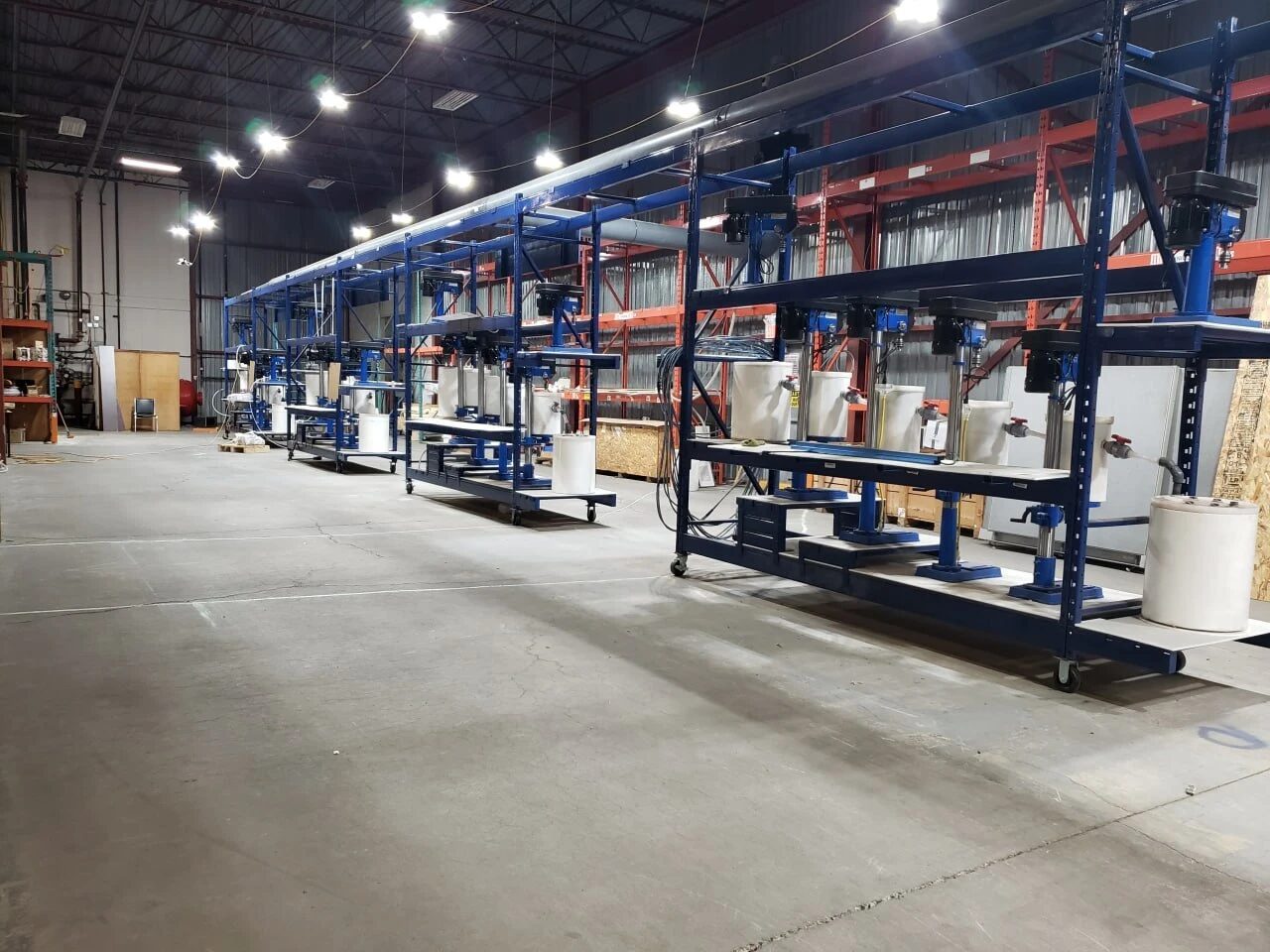
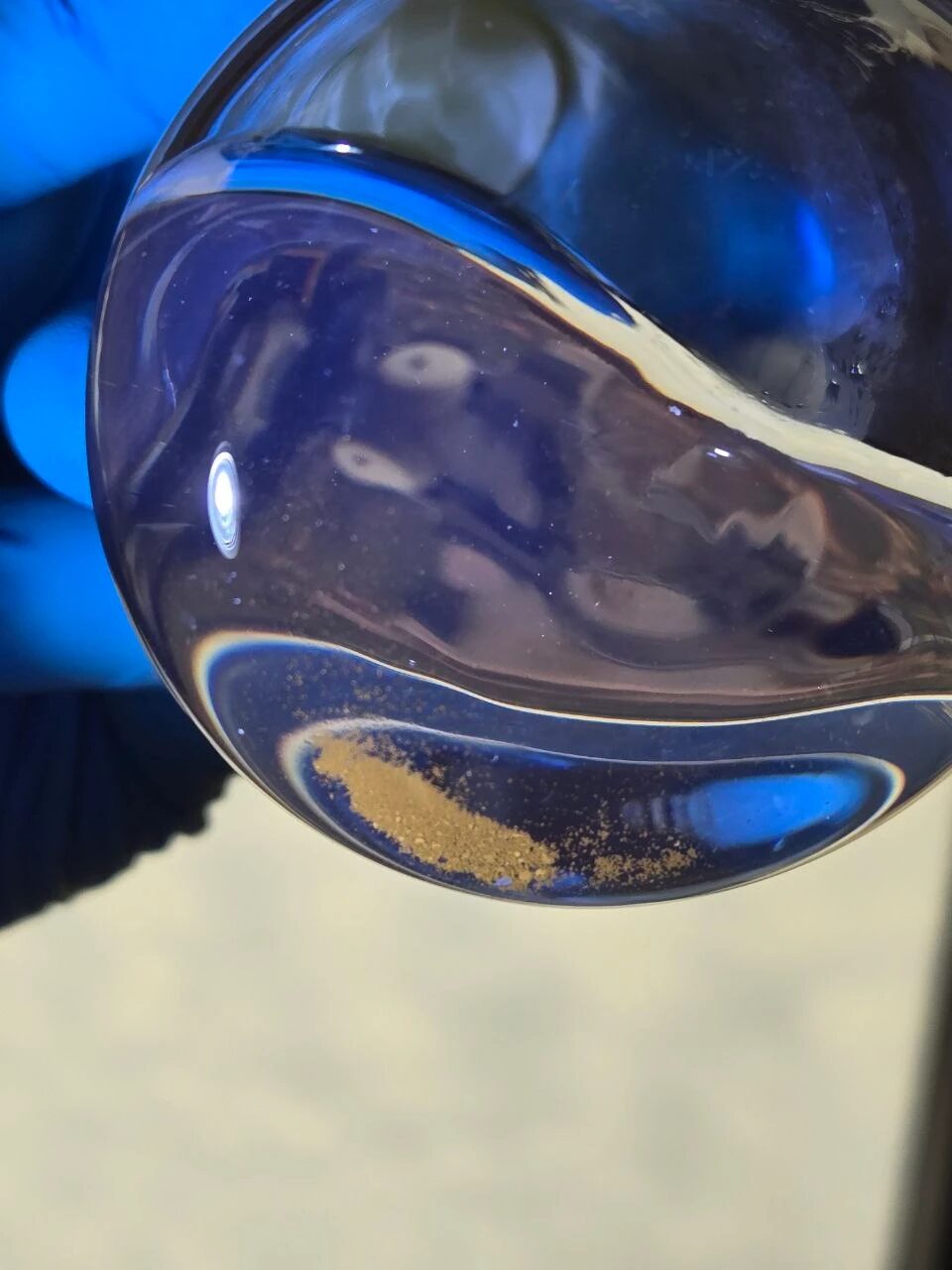
Our pilot lineMore from our pilot line
Tell us about your ore, residue or flowsheet.
A description of the material, any assays and the decision you face are enough to start. Every enquiry gets a personal reply and stays confidential.