Track record

Commercial plants, designed and built.

Our principals and associates designed and built these plants for Noranda (now Glencore), Rio Tinto, Anglo Vaal Mining, the Royal Canadian Mint, 5N Plus and others. Each began as a problem the existing process could not solve.

PlantLocationMetalsStatus
CCR Gold and Precious Metals RefineryMontreal, CanadaAu, Ag, Pt, Pd, RhOperating
Chambishi COSAC and ISEP PlantsChambishi, ZambiaCoOperating
5N Plus Solar Panel Recycling PlantEisenhüttenstadt, GermanyCd, TeOperating
Kennecott Smelter Dust Leach PlantSalt Lake City, USACu, BiRuns as required
Royal Canadian Mint Copper Removal PlantOttawa, CanadaAg, CuOperating
Magnola Magnesium Metal PlantDanville, CanadaMgChina Acquisition
Alberta Sulphate Carbonate Removal PlantMetiskow, CanadaNa₂SO₄Deposit mined out
Porters Grove Copper Powder PlantBridgeport, USACuClosed
Montreal, Quebec · Canada

CCR Gold and Precious Metals Refinery

Owner
Noranda, now Glencore
Commissioned
1985
Products
Gold at 99.99% or better; silver, platinum, palladium, rhodium
Capacity
Over 1.6 million oz of gold a year (nameplate)
Status
Operating

Problem

By the early 1980s, rising palladium, platinum and rhodium in the refinery feed were making the classical CCR gold-refining process impractical to run.

Process

New, entirely hydrometallurgical processes were developed to refine gold to at least 99.99% and to recover the silver and platinum-group metals.

Outcome

The refinery was engineered and built in-house and commissioned in 1985. It still operates, with nameplate capacity of more than 1.6 million ounces of gold a year.
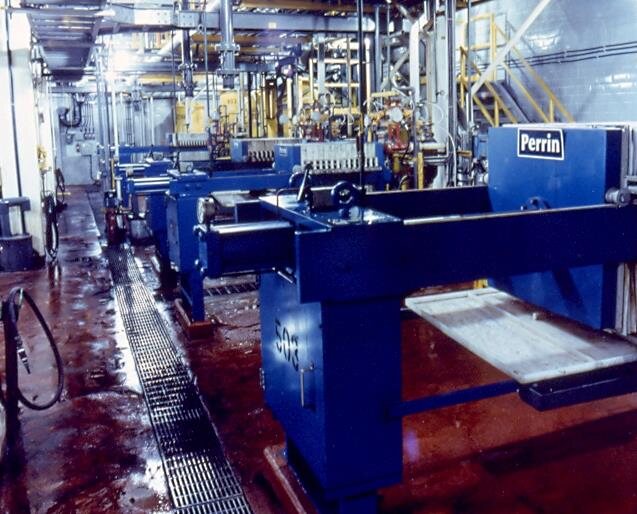
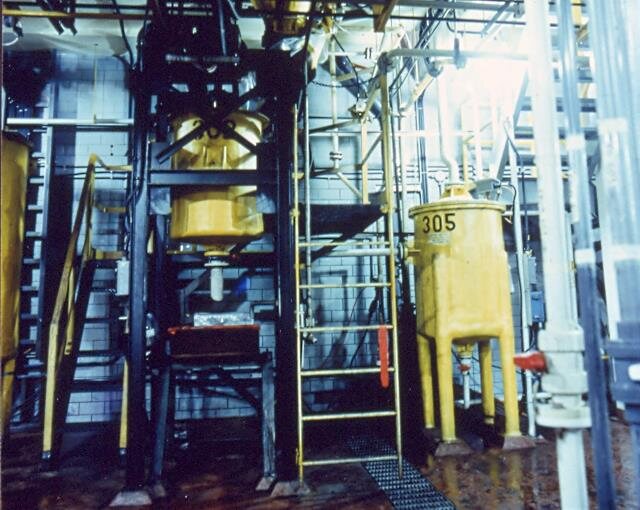
Row of filter presses on the refinery floor
Filter presses
Process vessels and platforms in the refinery
Process vessels
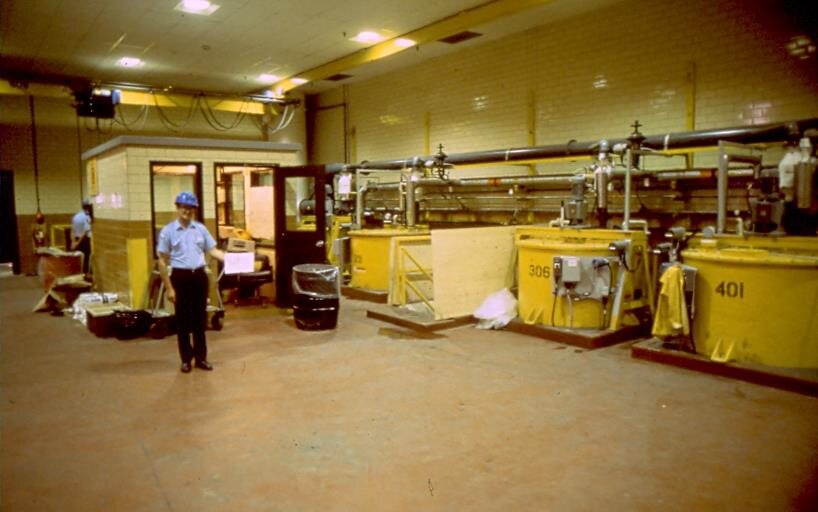
Refinery hall with an operator and process tanks
Refinery hall
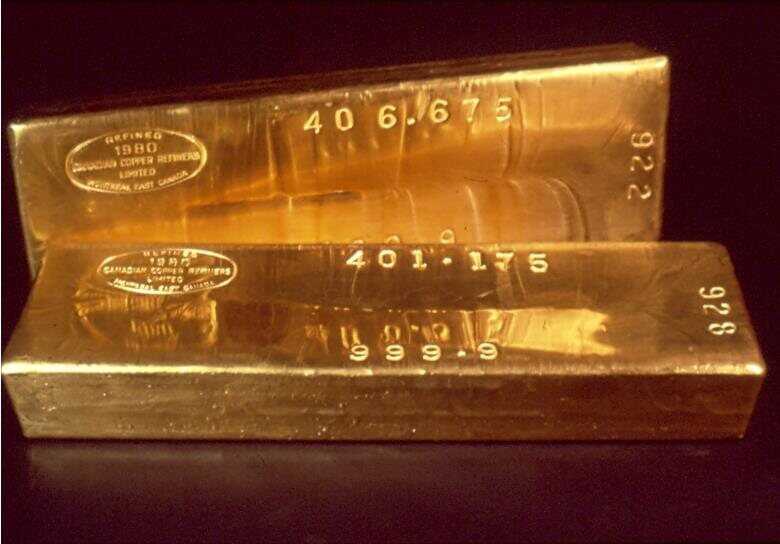
Refined gold bars
Refined gold
Chambishi, Copperbelt · Zambia

Chambishi COSAC and ISEP Plants

Owner
Anglo Vaal Mining; Eurasian Resources Group since 2010
Built
1990s expansion of a plant first built in the mid-1970s
Feed
Cobalt-rich slag dumps
Capacity
6,800 t/yr cobalt (nominal)
Status
Operating

Problem

When Anglo Vaal Mining acquired the Chambishi cobalt plant in the 1990s it needed more feed. Old slag dumps nearby were rich in cobalt.

Process

COSAC, a slag process conceived and piloted for the Nkana cobalt plant in the 1970s but never built, was implemented to treat the dumps. The tankhouse was expanded and an ISEP continuous ion-exchange circuit, developed at Noranda in the early 1980s, was added to remove nickel.

Outcome

Eurasian Resources acquired Chambishi Metals in 2010. It remains one of the world’s largest cobalt plants.

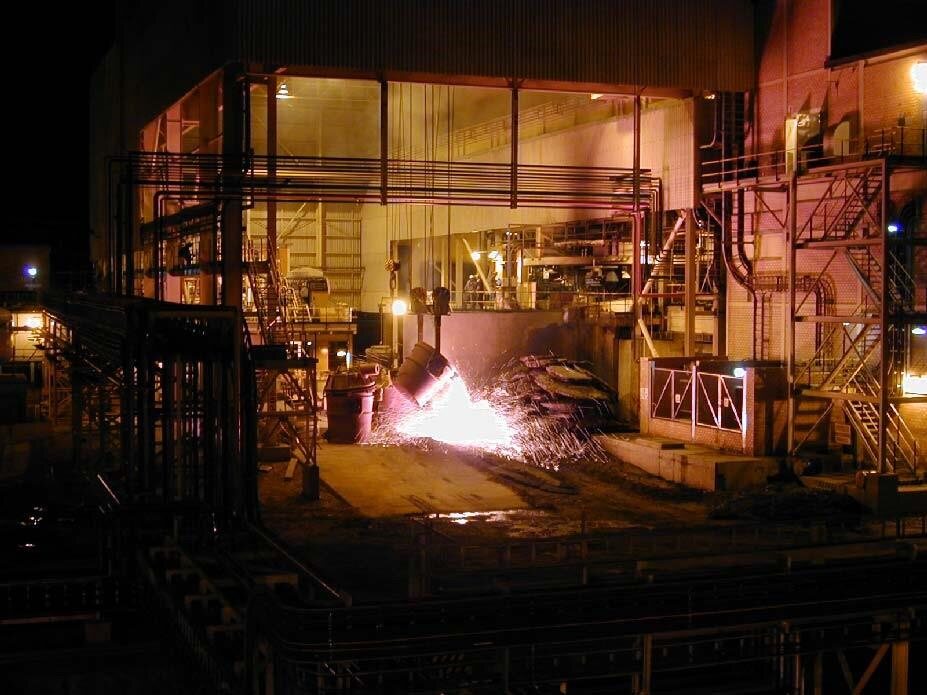
Furnace building lit by molten slag at night
Slag furnace
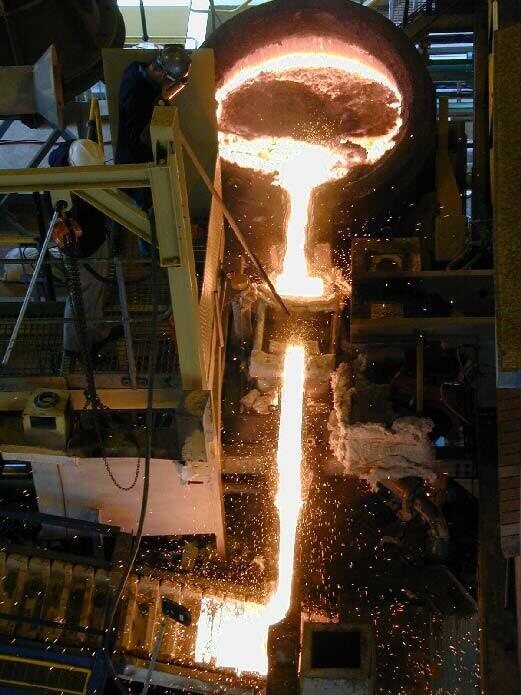
Molten metal pouring from a furnace tap
Tapping
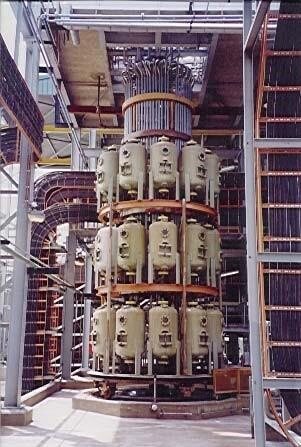
Carousel of ion-exchange columns in a steel structure
ISEP continuous ion-exchange carousel
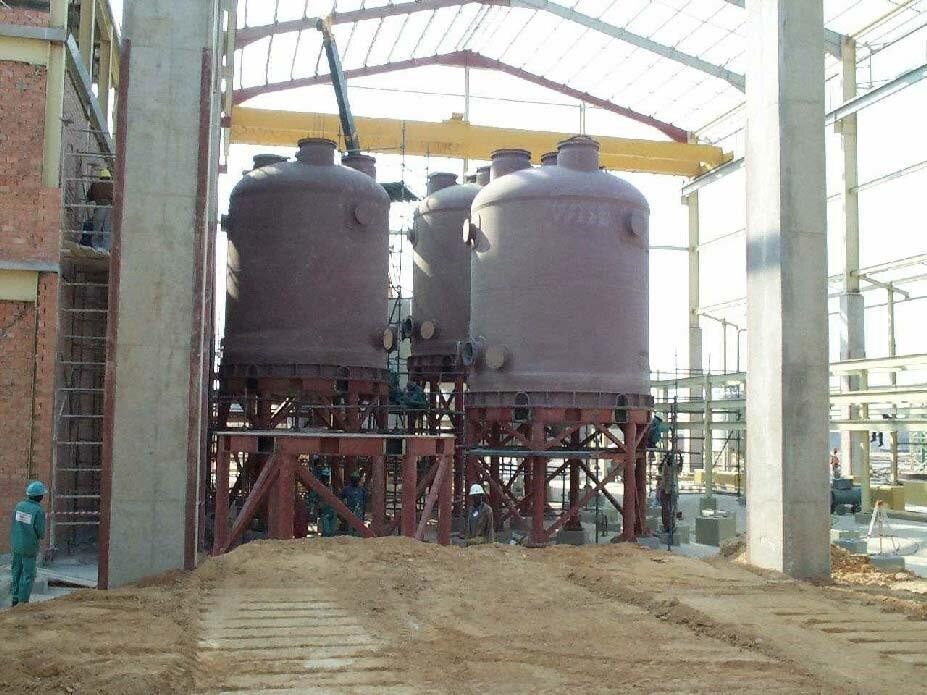
Three process tanks on steel stands inside a new building
Process tanks during construction
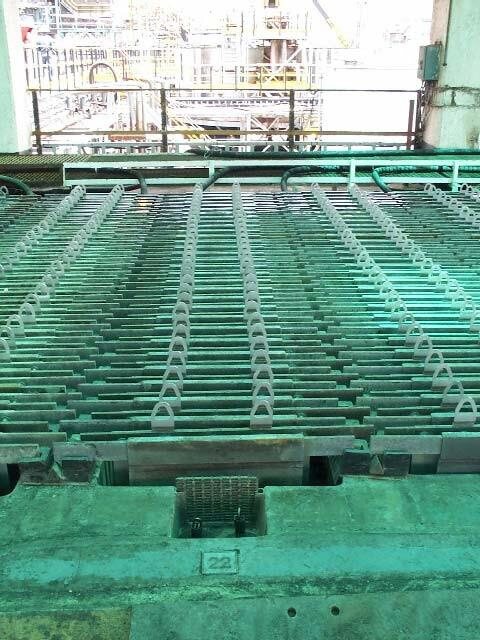
Electrowinning cells seen from above
Tankhouse cells
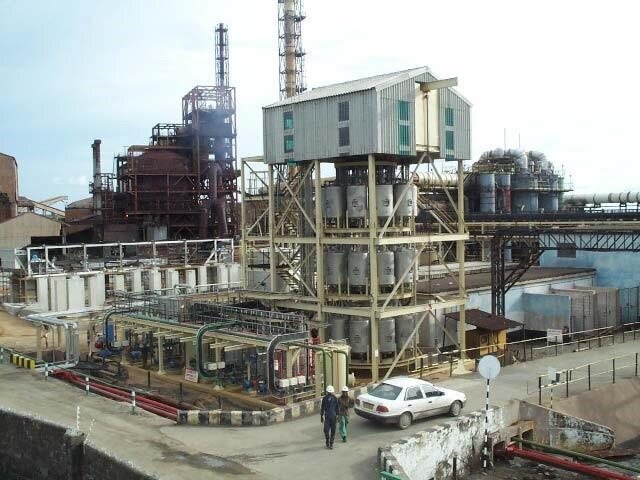
Plant structures and stacks at Chambishi
Plant site
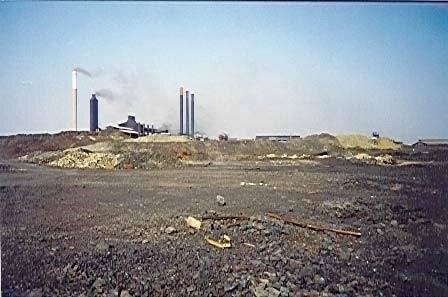
Slag dumps with smelter stacks in the distance
Slag dumps, the feed for COSAC
Eisenhüttenstadt · Germany

5N Plus Solar Panel Recycling Plant

Owner
5N Plus, working with First Solar
Built by
Gütling, a division of Veolia
Commissioned
Mid-2007
Products
Cadmium, tellurium
Status
Operating

Problem

5N Plus, then working with First Solar, wanted to recycle spent cadmium telluride (CdTe) solar panels and commissioned the development of a process to do so.

Process

A sulphuric acid leach, selective ion exchange and cadmium electrowinning. Tellurium is recovered from the ion-exchange barren solution by SO₂ precipitation.

Outcome

Gütling built the plant to this design and commissioned it in mid-2007. It is still operating. The process was never published or patented.

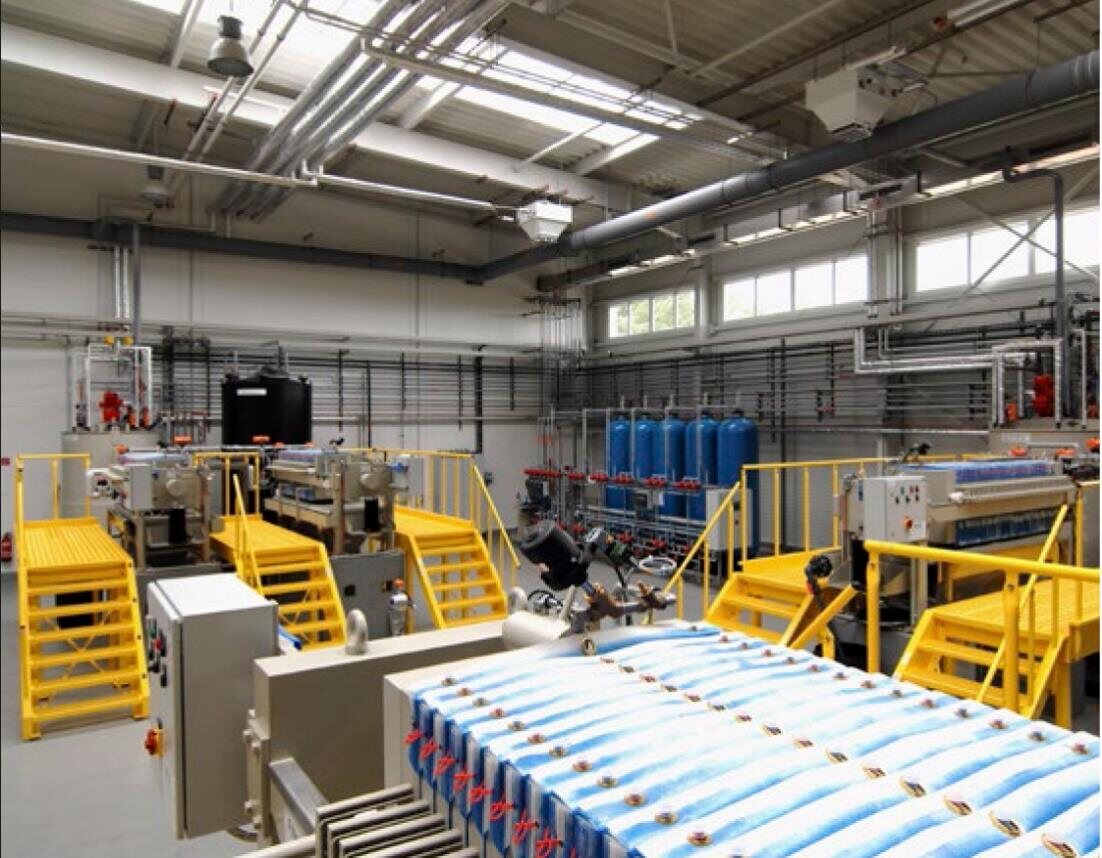
Panel recycling line with yellow access stairs
Panel recycling line
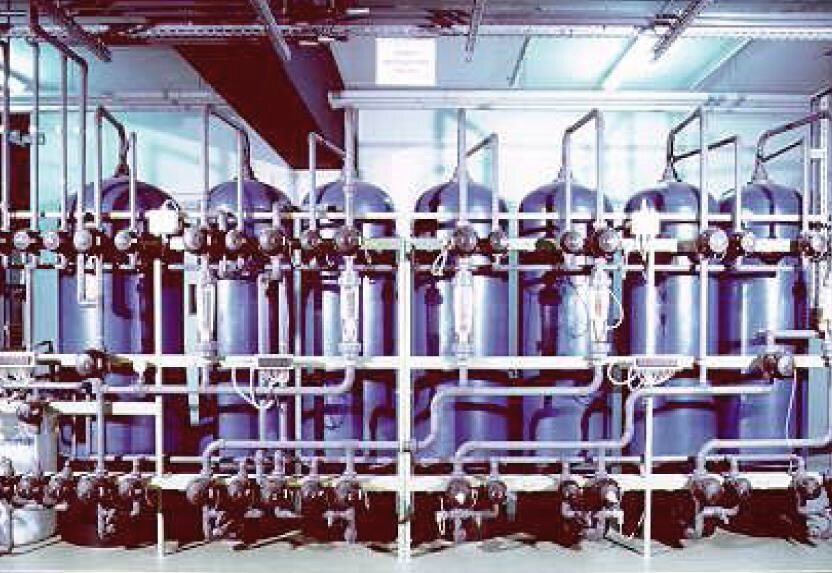
Row of ion-exchange columns with valves and piping
Ion-exchange columns
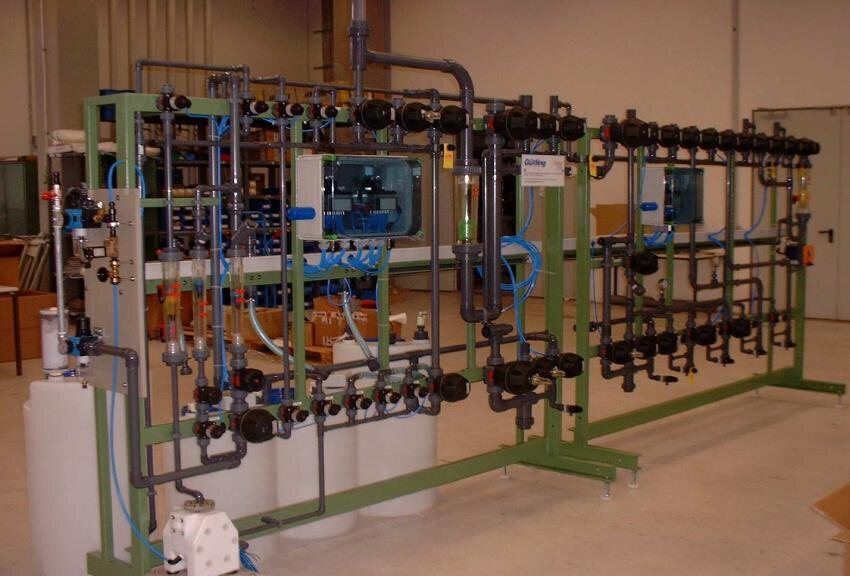
Process skid with pumps and piping
Process skid
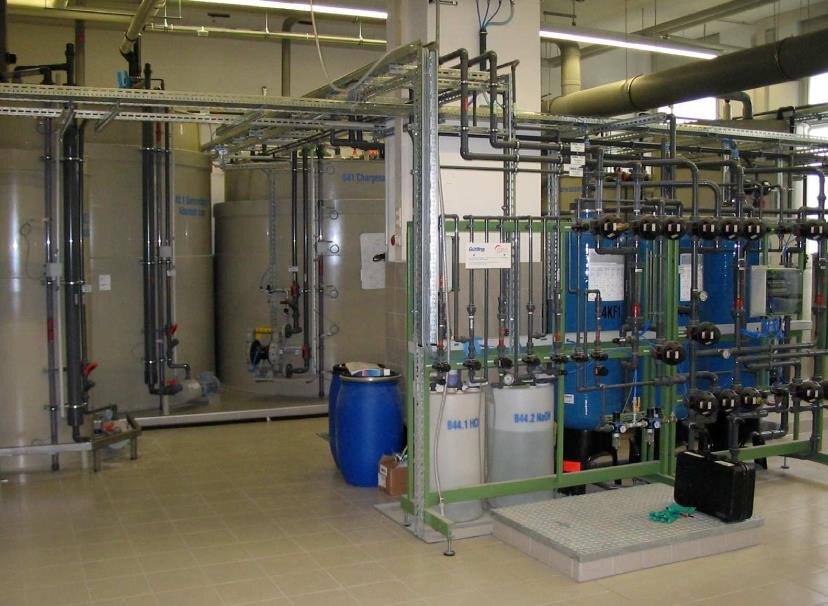
Process hall with tanks, skids and drums
Process hall
Salt Lake City, Utah · USA

Kennecott Smelter Dust Leach Plant

Owner
Rio Tinto Kennecott
Engineering
HG Engineering, with our principals on the team
Purpose
Bismuth removal ahead of the copper electrorefinery
Status
Runs as required

Problem

Rising impurities in the feed to Kennecott’s copper electrorefinery, bismuth above all, were producing off-spec copper.

Process

Working with Rio Tinto (UK) metallurgists, the team developed a site-specific process for bismuth removal, building on earlier work in Zambia and at Noranda’s Horne copper smelter.

Outcome

HG Engineering built the plant. It has operated successfully, run intermittently as the smelter needs it.

Danville, Quebec · Canada

Magnola Magnesium Metal Plant

Owner
Magnola Metallurgy: Noranda (now Glencore), with Lavalin as engineer and equity partner
Feed
Asbestos tailings, over 20% magnesium
Capacity
50,000 t/yr magnesium metal
Status
China Acquisition

Problem

Magnesium was then seen as the light-weighting metal that would cut vehicle fuel use. Quebec’s Eastern Townships held mountains of asbestos tailings containing more than 20% magnesium.

Process

A process was developed to recover magnesium metal from the tailings, and Magnola engineered and built a 50,000 t/yr plant at Danville.

Outcome

The plant ran successfully for three years. When low-priced Chinese magnesium undercut North American producers, including the Dow and Norsk Hydro plants, a Chinese buyer acquired the Magnola plant and moved it to China.

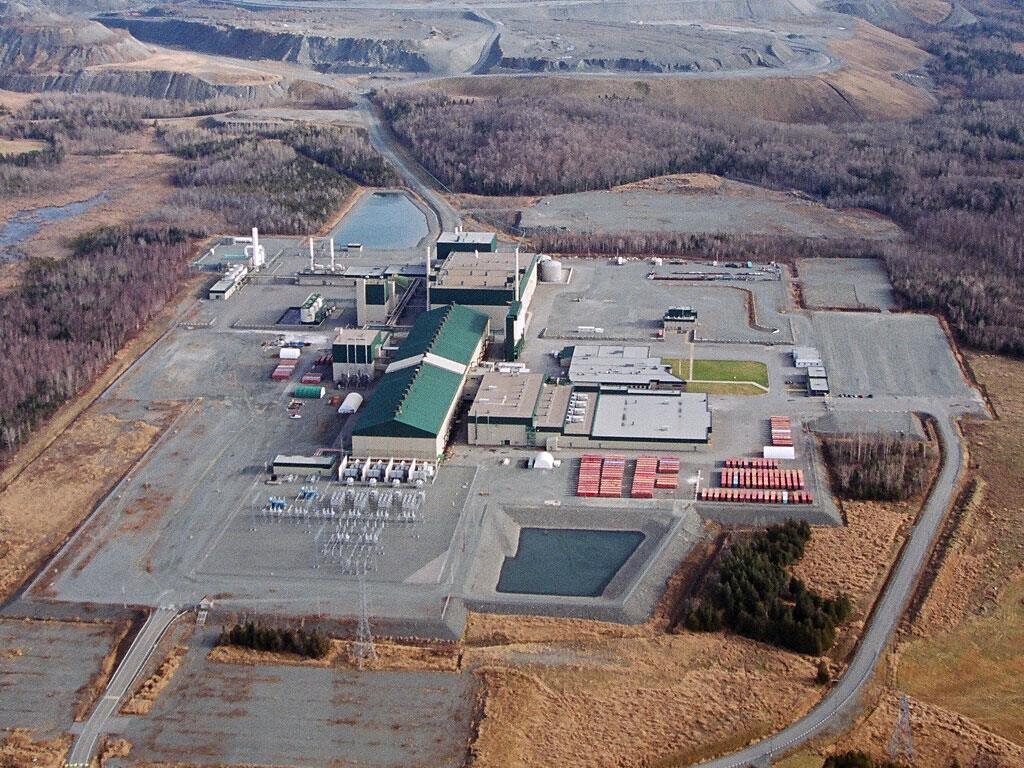
Aerial view of the Magnola plant and surrounding forest
Magnola, Danville
Ottawa, Ontario · Canada

Royal Canadian Mint Copper Removal Plant

Owner
Royal Canadian Mint
Purpose
Copper removal from the silver refinery’s nitrate electrolyte
Products
Basic copper nitrate; high-strength nitric acid for recycle
Status
Silver refinery back in operation

Problem

A silver-refining process bought from an overseas vendor did not work as advertised. Copper built up in the silver nitrate electrolyte and badly compromised refining.

Process

A new process, based on comparable chloride technology, recovered the copper as an easily filtered basic copper nitrate and regenerated high-strength nitric acid for recycle.

Outcome

It ran successfully for several years, until the Mint shut the silver refinery over other operational problems. The refinery is now back in operation.

Metiskow, Alberta · Canada

Alberta Sulphate Carbonate Removal Plant

Owner
Alberta Sulphate
Operation
Solution mining of sodium sulphate from brine lakes
Reagent
Waste gypsum from a nearby operation
Status
Ran until the deposit was mined out

Problem

Alberta Sulphate produced high-quality sodium sulphate from brine lakes. Near the end of the deposit’s life, carbonate in the brine rose to unacceptable levels.

Process

A process was developed that used waste gypsum from a nearby operation to remove the carbonate and replace it with sulphate.

Outcome

The plant ran for several years and kept the main operation going until the deposit was exhausted. The process was never published or patented.

Bridgeport, Connecticut · USA

Porters Grove Copper Powder Plant

Owner
Porters Grove Metal Recovery Inc.
Feed
Spent electrolyte from copper electroplating
Product
Copper powder
Status
Ran several years until the company closed

Problem

Copper electroplating leaves spent electrolyte that is worth recovering but usually too dilute to treat efficiently.

Process

A process was developed to recover copper powder from these solutions. A similar process was developed at Noranda for platinum and palladium powders.

Outcome

The Bridgeport plant ran for several years until the company went out of business. The precious-metal plants were not built: Noranda merged with Falconbridge, which already ran a PGM refinery in Norway.

The same people now develop new flowsheets.

Our Engineering Packages apply this experience to new ores, residues and recycling streams, from testwork to basic engineering.