From a sample to a project feasibility.
A process pathway takes a representative material sample from first testwork to the project-level feasibility that an engineering team needs to transition from opportunity to project. Worthwhile opportunities will invariably find project partners ready to participate. The Metals Hub provides the foundational engineering packages, correlated with the datasets required at the EPC-M decision gate.
Testwork
Does the chemistry work on your material?
- Scoping tests and go/no-go assessments
- Leach kinetics and reagent selection
- Separation work: SX, IX, precipitation
- Independent check assays
- Multi-lab programs through one point of contact
Flowsheet
Which route, and does it pay?
- Route selection against the incumbent process
- Steady-state mass and energy balance
- Reagent, utility and residue figures
- First capital and operating cost estimate
Process model and pilot
Will it run continuously?
- Pilot and demonstration campaigns
- Dynamic process model calibrated to lab and pilot data
- Operating and control strategy tested on the model first
- Product samples for buyers and off-takers
- Scale-up risks identified before design
Basic engineering
What will it cost to build?
- Design criteria and process flow diagrams
- Equipment list, sizing and data sheets
- 3D layout, including modular plant options
- Capital and operating cost estimate
- Input to feasibility studies and financing
Each stage stands on its own. A project can pause after any of them, raise money or change course, with a complete and consistent set of data to show for it.
Testwork through a single point of contact.
We route samples to accredited partner labs, choose methods to suit the material and the decision gates needed, and report results in a cogent, consistent format. Data from different labs and stages stays comparable, so it can be imported into the process flowsheet and the model.
The testwork is designed to cover R&D and QA/QC, due diligence and off-take thresholds, as well as full metallurgical programs designed to generate pertinent engineering data.
- 5–7 days
- Routine scoping tests, go/no-go assessments and bench assays
- 2–3 weeks
- Programs with sample logistics and several labs
- ISO 17025
- Accredited partner labs and validated analytical standards
Process flow, from feed to product
A flowsheet fixes what goes into each step and what comes out of it before any equipment is sized. Acid regeneration closes the loop, sending acid back to dissolution so it is recovered.
- Zn
- Cu
- Ni
- Co
- Ag
- Pb
- Cd
- Pt
- Ti
- Ga
- Ge
- In
- Sb
- Fe
What a pilot has to prove.
A pilot plant is built to answer specific questions: the ones a design cannot settle on paper.
It runs on real feed
Continuous operation on representative material, with every recycle stream closed, shows how the circuit behaves over days rather than hours.
It yields design data
Recoveries, reagent and energy consumption, settling and filtration rates, and materials performance: the figures on which equipment is sized.
It produces saleable product
Product in sufficient quantity for buyers and off-takers to qualify the material before the plant is built.
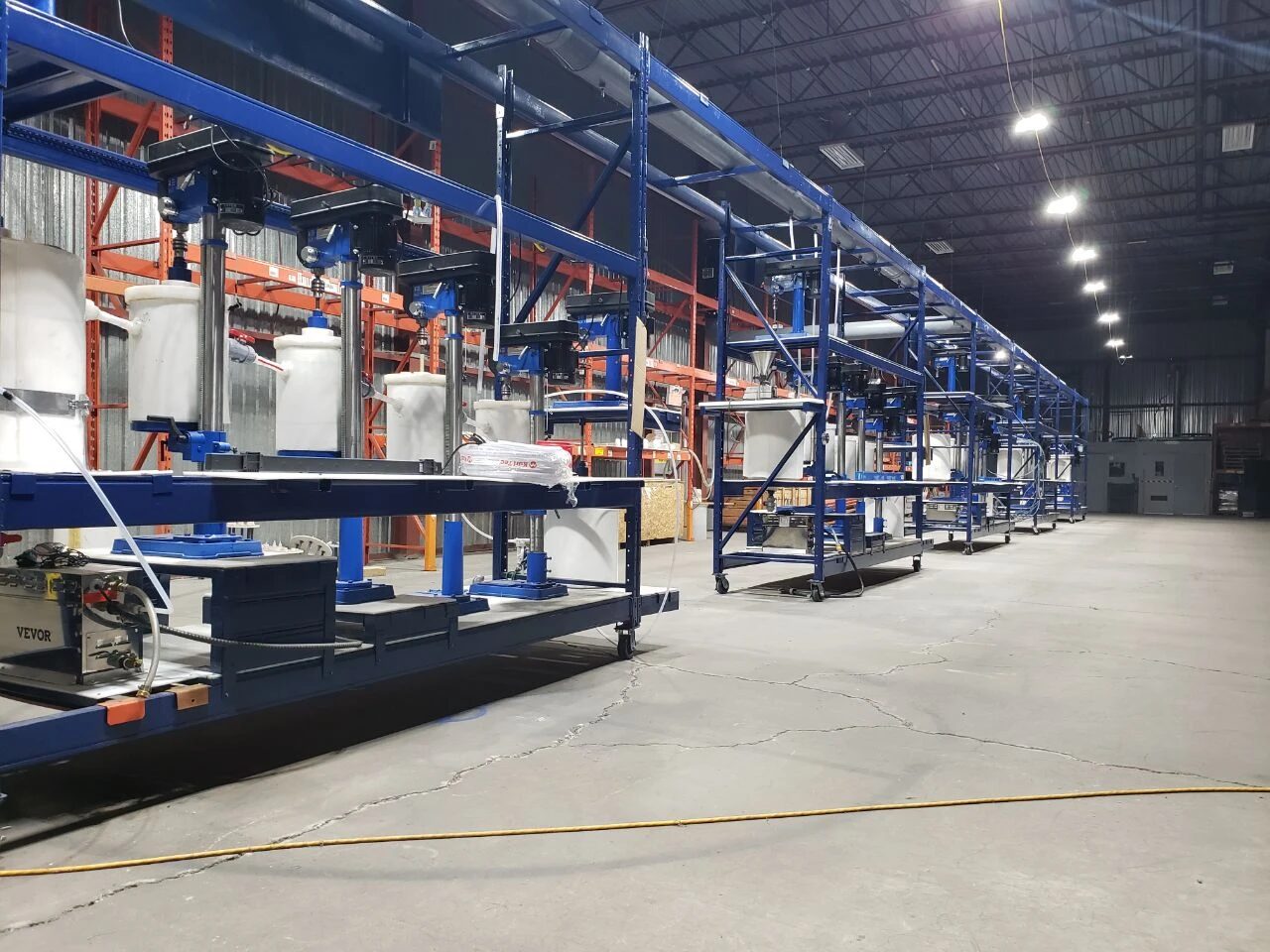
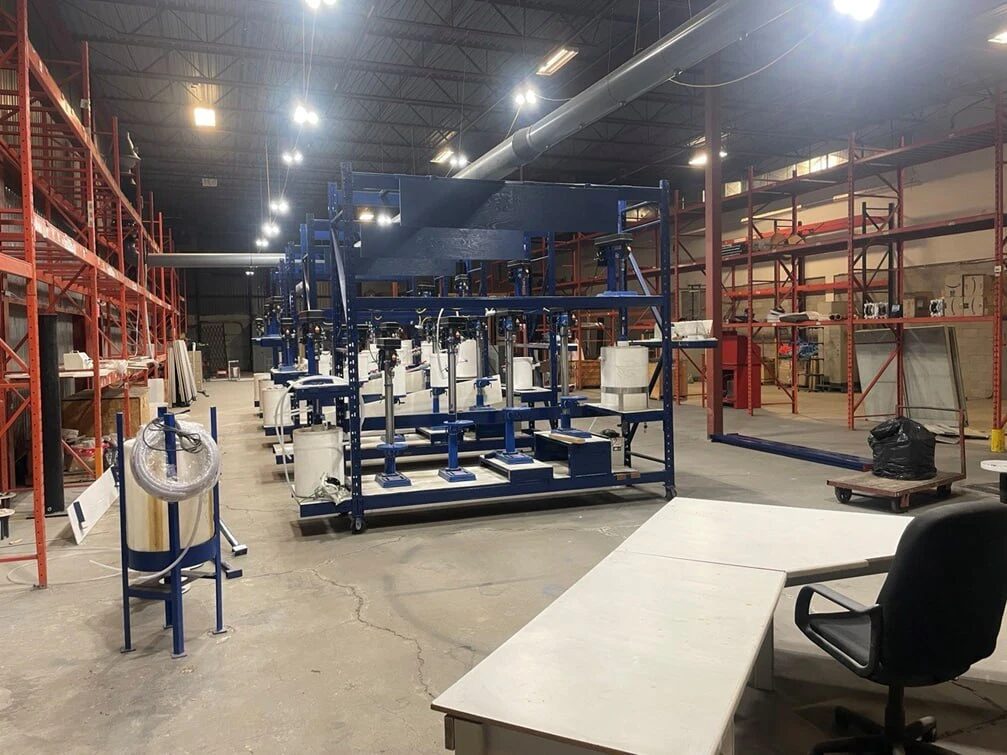
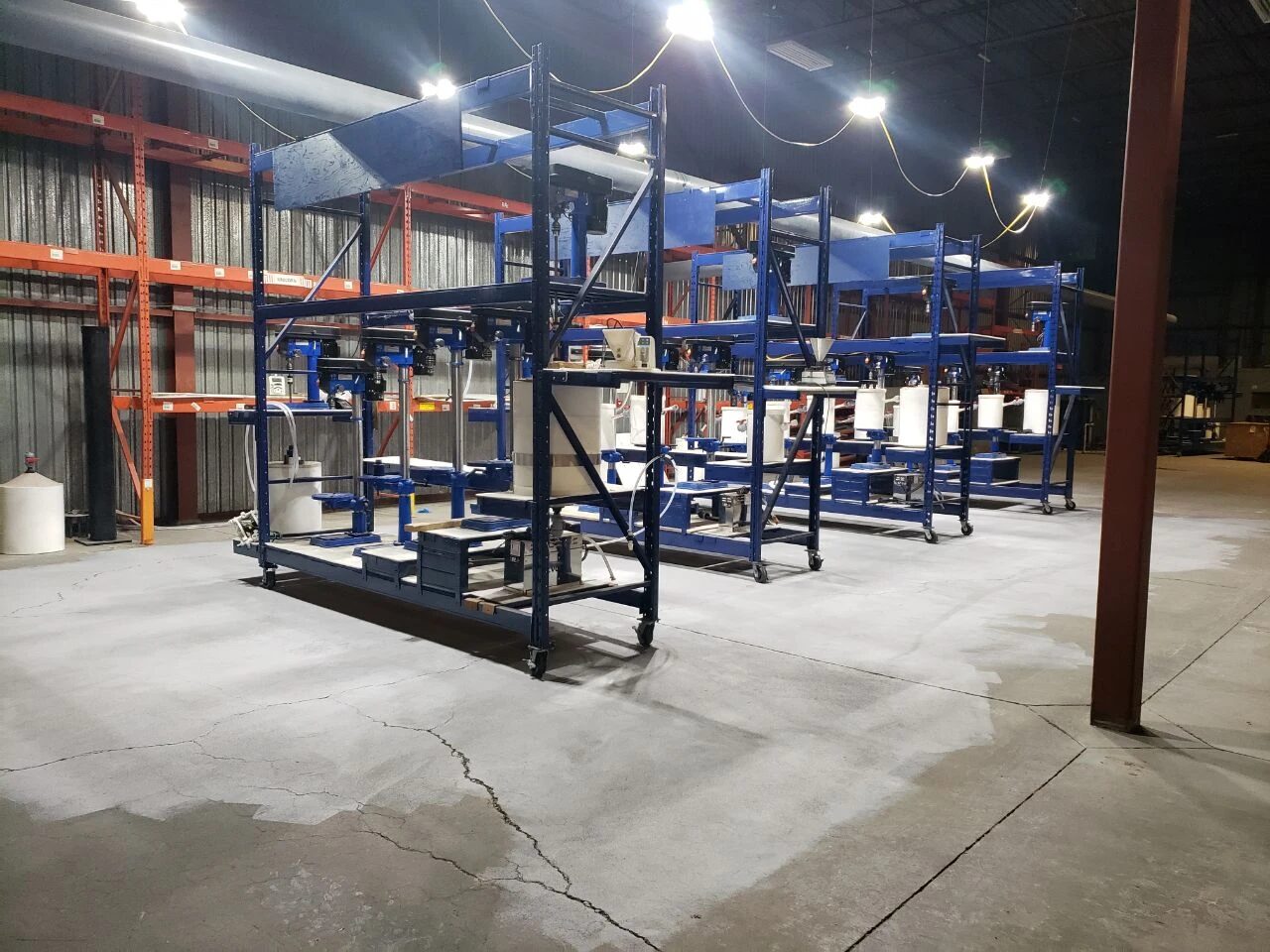
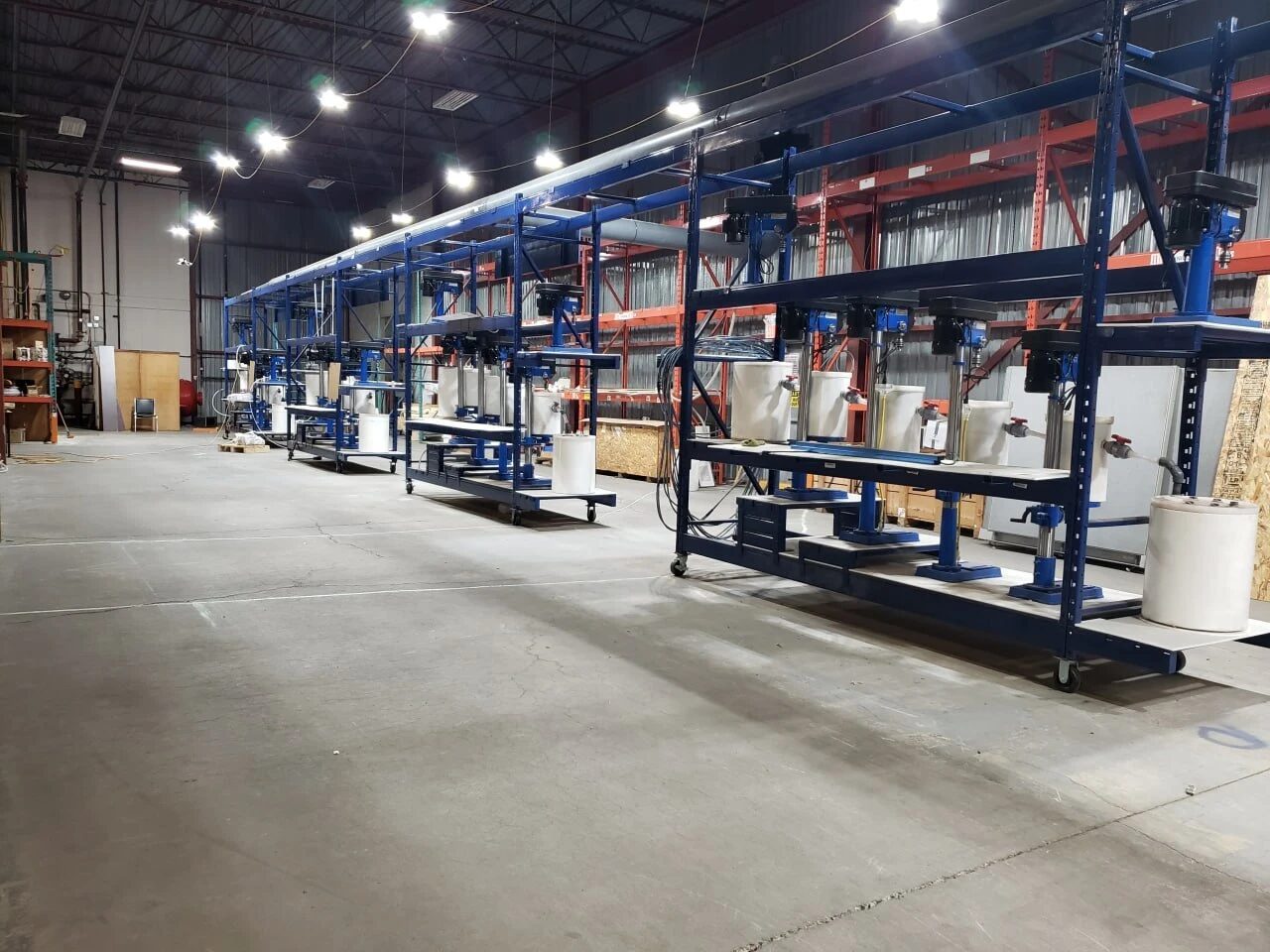
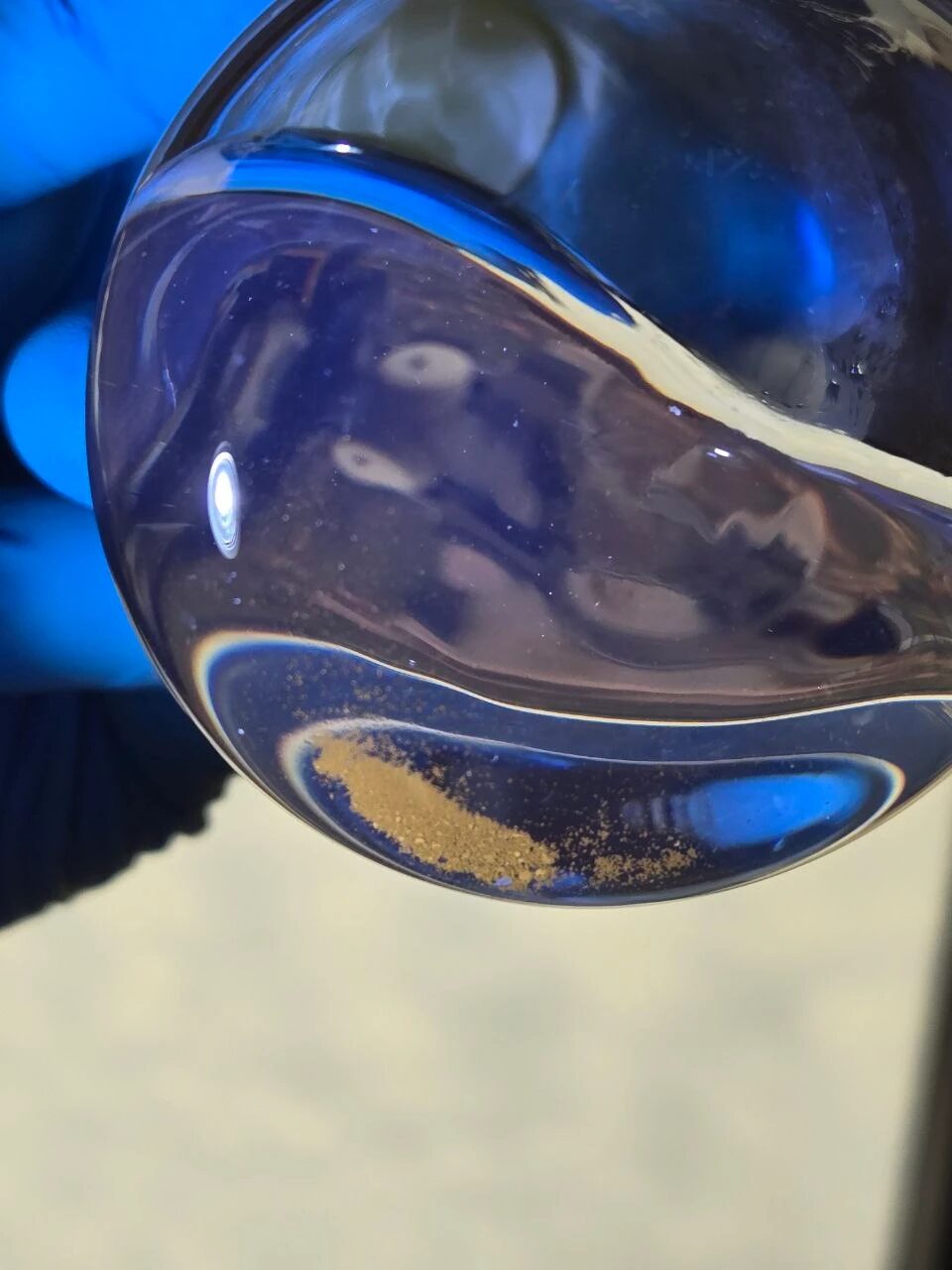
Our pilot lineFrom a campaign we ran
Basic engineering at the initial walk-through.
Equipment is laid out as a 3D model prior to procurement: skid-mounted modules, frames, pumps, tanks, filter presses and the integrated P&ID. Fundamental process implementation, technology ramp-up and process viability are settled in the model phase, not at the build stage.


Before you send a sample.
Packages can be better defined with proper discussion at the onset. If your question isn’t here, ask us directly.
Routine scoping tests, go/no-go assessments and bench assays take 5–7 days. Larger programs that involve sample logistics and several labs take 2–3 weeks.
Yes. Analytical work goes through ISO 17025-accredited partner labs using validated standards, and we have no stake in the result.
A description of the material and where it comes from, any assays or mineralogy you have, how much sample is available and the product you want to make. If all you have is a question, start there.
Yes. If you already have testwork or a flowsheet, we review it, fill the gaps and carry on from there rather than starting over.
Yes. Samples, data and anything you send us stay confidential. We do not share or sell information to third parties.